Every Role Taught Me Something About What Makes Learning Possible
I've worked in schools as a teacher, Dean of Students, Director of Operations, Assistant Principal, and Principal. Each seat widened my view of what helps strong instruction take hold — and what can get in the way.
That whole-school perspective is the foundation of ObjectiveAssist today: people, systems, and instruction have to work together if strong expectations are going to become consistent classroom practice.

Each Move Started With a Problem I Wanted to Solve
I didn't move from teaching to student culture to operations and eventually back to instructional leadership because I was chasing titles. Each move came from something I experienced in schools that made me want to understand the problem more deeply and become better equipped to solve it.
Teaching Taught Me That High Expectations Aren't the Same as Identical Support
Early in my teaching career, I struggled to reach a student whose behavior was getting in the way of his learning. Eventually, he moved to another classroom. I remember feeling like I had failed him.
A year later, while teaching in an ICT classroom, I began understanding something I wish I had understood sooner: giving students what they need is not the same as lowering expectations. Sometimes the support has to change even when the goal does not.
That experience stayed with me. I became a Dean of Students because I wanted to help teachers, students, and families navigate behavior challenges without allowing those challenges to become barriers to learning. I was also deeply invested in creating schools filled with joy, love, and belonging for students.
Operations Taught Me That Systems Are Never “Just Operations”
As a dean, an unusual leadership transition meant I spent much of my time being managed by a Director of Operations. That exposed me to an entirely different side of school leadership.
I started seeing how schedules, communication, meals, staffing, facilities, routines, and countless other systems could either protect learning or disrupt it.
I became a Director of Operations because I wanted the systems surrounding classrooms to be in direct service of students. A scheduling mistake or communication breakdown might look operational on paper, but when it costs a child learning time or changes their experience at school, it becomes an instructional issue too.
Instructional Leadership Brought the Pieces Back Together
I loved operations, and I still think systematically today. But after several years in operational leadership, I missed being close to students, teachers, and the academic work itself.
By then, I had experienced schools through several different lenses — classroom teaching, student culture, and operations. I wanted to bring those perspectives together.
I pursued the assistant principalship and eventually the principalship because I wanted to directly influence teaching and learning while making sure the culture and systems surrounding instruction helped strengthen it rather than compete with it.
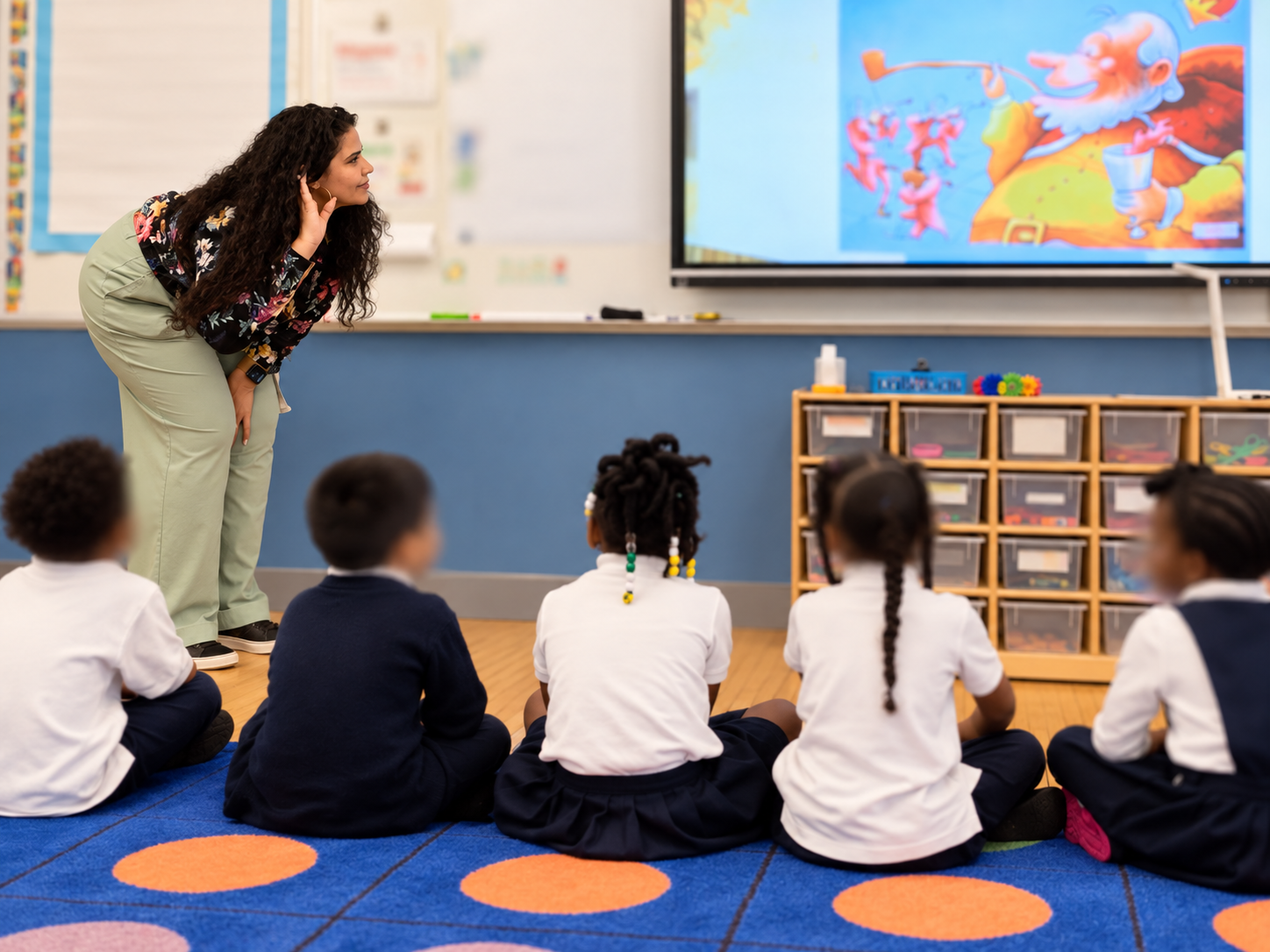

I didn't leave instruction when I moved into culture and operations. I kept widening my understanding of what makes strong instruction possible.
I Believe in the Story — and the Evidence
The lessons behind ObjectiveAssist come from real leadership work, including results across staff culture, student experience, and academic performance.
Staff engagement on the Gallup Q12 during Patricia's early principalship.
77% of third graders passed the New York State Math exam, surpassing the network's 70% goal.
Achieved during Patricia's second year as principal.
Reduction in student behavior incidents.
Seeing the Whole System
Those experiences changed how I look at school improvement. I rarely see a challenge as belonging to only one department, role, or initiative.
Teaching and student-culture leadership taught me how deeply relationships, adult development, expectations, belonging, and support shape what happens for students.
Operations taught me that schedules, communication, routines, resources, accountability, and follow-through can either protect learning or compete with it.
Instructional leadership brought those lessons together around the central work of schools: making sure students consistently experience strong teaching and meaningful learning.
That is why ObjectiveAssist looks across people, systems, and instruction rather than treating them as separate problems.
Why I Built ObjectiveAssist
I kept seeing versions of the same challenge.
Schools could have talented educators, thoughtful leaders, strong priorities, new curricula, professional development, and carefully designed systems — and still struggle to make strong practice consistent across classrooms.
I built ObjectiveAssist to help leaders understand what may be underneath that gap.
My work helps leaders examine the people development, systems, and instructional practices surrounding their expectations so they can strengthen what is getting in the way and build on what is already working.

Two Lenses on Sustainable Leadership
I use two complementary frameworks to help leaders examine different parts of the work.
The Coherence Framework looks at alignment across people, systems, and instruction.
The Commitment Framework looks at the organizational conditions that influence whether people genuinely engage with and help sustain the work.
Together, they help me look beyond the visible symptom and ask a more useful question: what is happening around this work that is helping it take hold — or making it harder to sustain?
Let's Talk About What You're Seeing in Your School
If strong expectations are not consistently translating into classroom practice, the first step is understanding where the gap may be occurring.